Horseshoe Embroidery Design: A Holiday Review
As an embroidery designer who spends countless hours digitizing and testing patterns for seasonal collections, I approach every new machine embroidery design with a critical eye. It is not just about whether the pattern looks good on screen; it is about how it translates to fabric, how it appeals to holiday shoppers, and whether it holds up under the stress of commercial production. Recently, I reviewed the Horseshoe Embroidery Design with the specific intent of integrating it into a winter holiday and New Year product line. This review breaks down the aesthetic appeal, practical application, and sales potential of this charming motif for Etsy sellers and small business owners.
First Impressions: Whimsy Meets Tradition
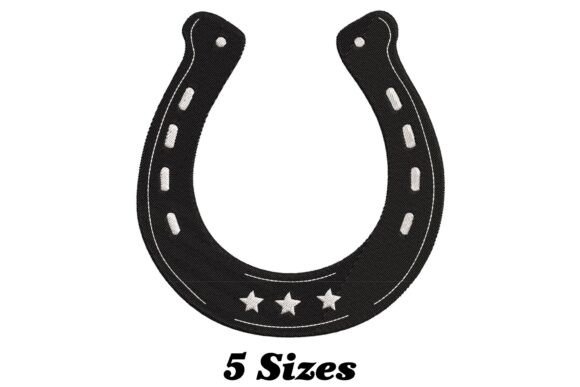
The first thing that strikes you about the Horseshoe Embroidery Design is its ability to balance rustic charm with a touch of whimsical elegance. In the context of seasonal decor, horseshoes are powerful symbols. They represent luck, protection, and forward momentum—themes that resonate deeply during the transition from one year to the next. The design does not feel overly agricultural or barn-centric; instead, it leans into a decorative style that feels cozy and inviting.
For those creating products within the Horses niche, this design is a natural fit, but its appeal extends far beyond equestrian enthusiasts. The curvature of the shoe offers a perfect frame for additional elements, such as dates, names, or small floral accents, making it highly versatile for personalized gifts. The emotional tone is warm and nostalgic, evoking memories of country winters and family traditions. This makes it an excellent candidate for holiday embroidery projects that aim to create a sense of home and heritage.
Strategic Product Applications for the Season
When planning a seasonal shop collection, versatility is key. I tested the visual potential of this design across various substrates to determine where it would perform best. Here is how I envision using this embroidery file in a real-world retail scenario:
- Sweatshirt Embroidery: Placed on the left chest or as a larger back piece, the design adds a premium feel to neutral-toned hoodies. It works beautifully for family matching sets during Christmas morning or New Year’s Eve gatherings.
- Kitchen Towel Embroidery: This is perhaps the strongest use case. A horseshoe stitched onto linen or cotton towels creates an instant heirloom quality. It pairs well with embroidered initials, turning a simple household item into a thoughtful housewarming or wedding gift.
- Tote Bag Design: For eco-conscious shoppers, a sturdy canvas tote featuring this motif appeals to those who love rustic aesthetics. It serves as a durable, everyday accessory that promotes the brand visually.
- Pillow Cover Accents: Home decor items benefit from the symmetry of the horseshoe. Stitched onto velvet or faux fur pillow covers, it adds texture and focal interest to living room setups during the holidays.
- Embroidered Patch: Creating iron-on or sew-on patches allows customers to customize their own jackets or hats. This lowers the barrier to entry for buyers who want a unique look without purchasing a fully finished garment.
Each of these applications leverages the seasonal embroidery trend by tapping into the desire for meaningful, handcrafted items. Whether used for handmade gift bundles or standalone listings, the design enhances the perceived value of the base product.
Navigating Technical Challenges
While the aesthetic is strong, any experienced Etsy seller knows that technical execution determines customer satisfaction. There are specific scenarios where the Horseshoe Embroidery Design requires careful handling. First, consider the stitch density. If the design is too dense for lightweight fabrics, it may cause puckering. Always test on scrap fabric similar to your final product to ensure the tension is correct.
Dark fabrics present another challenge. If you are stitching on navy or black garments, ensure your thread colors have enough contrast. Metallic threads can add a festive sparkle, mimicking the look of real iron or gold, but they require slower machine speeds and careful tension adjustments to prevent breakage. Additionally, when working with stretchy garments like performance wear or thin knits, a high-quality cut-away stabilizer is non-negotiable to maintain the shape of the horseshoe after washing.
Be cautious with very small hoop size limitations. If you are scaling the design down for tiny items like baby bibs or ornament tags, ensure that fine details do not merge into a solid blob. Simplified versions may be necessary for miniature applications to preserve clarity.
Boosting Sales Through Visual Appeal
In the crowded marketplace of digital and physical goods, visual recognition drives clicks. The Horseshoe Embroidery Design offers a distinct silhouette that stands out in thumbnail images. When creating printable mockup graphics for your online store, showcase the design in lifestyle settings. Show the towel hanging in a cozy kitchen, or the sweatshirt being worn by a model holding a warm beverage. These images help buyers visualize the finished product in their own lives.
This design also supports brand consistency. If your shop focuses on rustic, farmhouse, or equestrian themes, adding this motif reinforces your niche authority. It signals to customers that you understand their aesthetic preferences. Furthermore, because horseshoes are associated with luck, they make excellent personalized gift options for graduations, new jobs, or New Year celebrations, extending the selling season beyond traditional winter holidays.
Practical Designer Notes for Implementation
Before listing this as a small shop product or using it in commercial embroidery runs, follow these essential steps:
- Test Thread Colors: Run test stitches on both light and dark fabric texture types. What looks good on white cotton may disappear on heather gray fleece.
- Check Stitch Density: Ensure the fill stitches are not too heavy for delicate fabrics. Adjust density settings if your machine allows, or choose appropriate materials.
- Confirm Hoop Size: Verify that the design fits comfortably within your standard hoops without requiring excessive re-hooping, which can lead to alignment issues.
- Use Proper Stabilizer: Match the stabilizer to the fabric weight. Tear-away for stable wovens, cut-away for knits and stretchy materials.
- Create Realistic Mockups: Use high-quality photos that show the texture of the stitches. Buyers need to see the dimensionality of the digital embroidery file output.
- Review Small Details: After stitching, inspect the connection points and jump stitches. Clean up any loose threads to ensure a professional finish.
- Plan Matching Color Palettes: Offer coordinated thread color suggestions in your product description to help customers achieve a cohesive look.
- Confirm Commercial Licensing: Always verify the license terms provided with the Horseshoe Embroidery Design before selling finished items. Ensure you have the right to use the design for commercial purposes.
In conclusion, the Horseshoe Embroidery Design is a robust addition to any seasonal catalog. It bridges the gap between traditional symbolism and modern crafting trends. By paying attention to technical details and leveraging its emotional appeal, you can create high-value products that resonate with customers looking for luck, charm, and quality craftsmanship. Whether you are decorating apparel, home linens, or accessories, this design offers the flexibility and charm needed to succeed in the competitive holiday market.