Let It Snow Embroidery Design Review
As an embroidery designer who has spent years digitizing and testing files for commercial use, I approach every new machine embroidery design with a critical eye. It is not enough for a design to look cute on a screen; it must perform under the needle, withstand washing, and elevate the brand it represents. Recently, I evaluated the Let It Snow Embroidery Design to determine its viability for small business merchandise. This review focuses on how this festive asset functions in real-world applications, from branded patches to custom apparel, rather than just its decorative appeal.
First Impressions: Visual Personality and Brand Fit
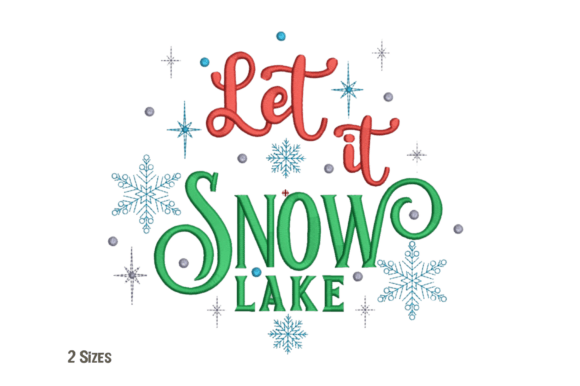
The first thing you notice about the Let It Snow Embroidery Design is its approachable charm. Based on the description, which highlights its suitability for Christmas-themed decorations and cozy apparel, the design leans into a friendly, handmade aesthetic. For a boutique or a local café looking to add seasonal flair, this visual personality is crucial. It does not scream corporate rigidity; instead, it offers a warm, inviting feel that resonates with customers seeking authentic, handcrafted experiences.
However, "charming" can sometimes translate to "cluttered" if not managed correctly. In my initial assessment, I looked for clean lines and balanced spacing. A design intended for commercial embroidery must maintain its integrity when scaled down. The playful nature of snow-themed motifs requires careful digitizing to ensure that delicate elements do not get lost in the fabric texture or become fragile during wear.
Real-World Business Applications
For small business owners, Etsy sellers, and merch creators, versatility is key. Here is how I see the Let It Snow Embroidery Design performing across various product categories:
- Embroidered Patches: This is perhaps the strongest use case. A well-digitized snow design works beautifully on twill or felt backings. Patches allow businesses to create limited-edition holiday items without committing to full garment embroidery. They can be sewn onto jackets, bags, or hats, adding significant perceived value to the finished product.
- Staff Uniforms and Aprons: For bakeries, florists, and coffee shops, apron embroidery is a subtle yet effective branding tool. Placing this design on the chest pocket or lower corner of an apron adds a seasonal touch that customers notice. It humanizes the staff and creates a cohesive look during the busy holiday rush.
- Cap Embroidery: Caps are high-margin items for retail shops. However, the curved surface of a cap front presents challenges. The design must be narrow enough to fit within standard cap hoops without distorting. If the Let It Snow Embroidery Design features wide, sprawling elements, it may require resizing or simplification to sit correctly on a structured or unstructured cap.
- Tote Bag Design: Canvas tote bags are popular for gift-with-purchase promotions. The sturdy fabric of a tote handles higher stitch counts well, allowing the design to pop. This application turns a simple bag into a walking advertisement for your brand, especially if paired with your logo.
Technical Considerations for Production
Before running this digital embroidery file on your production machines, there are several technical factors to address. As a designer, I always advise checking the specific details of the file, such as stitch count and recommended hoop size, which should be provided by the creator. Since these specifics were not detailed in the brief description, you must verify them before purchase.
Stitch Density and Fabric Texture
Snow designs often rely on white or light-colored threads. On dark uniforms or heavy canvas, you need sufficient density to prevent the background fabric from showing through. However, excessive density can cause puckering, especially on lighter fabrics like cotton tees. Always test the design on the actual fabric you intend to use. If you are working with textured fabric, such as terry cloth towels or fuzzy fleece, you may need to adjust the underlay stitches to ensure the top stitches lay flat and crisp.
Stabilizer Selection
The choice of stabilizer can make or break the final look. For stretchy apparel, a cut-away stabilizer is usually best to prevent distortion over time. For woven fabrics like tote bags or patch blanks, a tear-away might suffice, but a heat-seal backing is ideal for patches to ensure durability during washing. Never skip the stabilizer step, regardless of how simple the design appears.
Thread Color Contrast
While white thread is traditional for snow, consider using metallic or variegated threads for a premium look. However, metallic threads can be tricky to work with and may require slower machine speeds. Test a sample run to ensure the thread does not break or shred, which would ruin the professional appearance of your small business merch.
Strategic Branding and Customer Trust
Using a cohesive design like Let It Snow Embroidery Design contributes significantly to your brand identity. Consistency in your visual assets builds customer trust. When a client receives a tote bag, a patch, and a branded apron that all share the same high-quality embroidered aesthetic, it signals professionalism and attention to detail.
This design can serve as a seasonal accent that complements your primary logo. It shows that your brand is active, engaged, and responsive to the time of year. For handmade product sellers, this level of customization differentiates you from mass-produced competitors. It transforms a generic item into a curated experience, increasing buyer engagement and the likelihood of repeat business.
Practical Designer Notes for Implementation
To ensure success with this design, follow these practical steps before launching your campaign:
- Create a Printable Mockup: Before stitching a single thread, place the design digitally on photos of your products. This helps you visualize scale and placement. Does it overwhelm a small chest pocket? Does it get lost on a large tote?
- Test in Black and White: Convert the design to grayscale in your editing software. This reveals contrast issues and helps you see if the shapes are distinct enough without relying on color cues.
- Check Small Patch Sizes: If you plan to make tiny pins or badges, ensure the smallest details remain visible. You may need to simplify the design or remove tiny satellite elements that could cause thread breaks.
- Confirm Commercial Licensing: Always read the license terms associated with the embroidery file. Ensure you have the right to use it for physical goods sold for profit. Some licenses restrict the number of units you can produce or prohibit use on certain items.
- Compare Beside Other Assets: Place the stitched sample next to your existing logo and brand colors. Ensure the style of the snow design harmonizes with your overall brand voice. If your brand is ultra-modern and minimalist, a whimsical snow design might clash unless adapted carefully.
In conclusion, the Let It Snow Embroidery Design holds strong potential for small businesses looking to enhance their holiday offerings. By treating it as a strategic brand asset rather than just a decoration, and by adhering to strict technical standards, you can create high-value merchandise that delights customers and strengthens your market presence. Always prioritize testing and quality control to ensure every stitched item reflects the professionalism of your brand.