Moo I Mean Boo Embroidery: A Designer’s Review
As an embroidery designer who has spent years digitizing files and consulting with small business owners, I approach every new machine embroidery design with a critical eye. It is not just about whether a pattern looks cute on a screen; it is about how that design translates to fabric, how it holds up in the wash, and most importantly, how it serves the brand identity of the client using it. Recently, I evaluated the Moo I Mean Boo Embroidery design, a playful piece intended for seasonal merchandise. Here is my professional breakdown of its potential for commercial use.
First Impressions: Visual Personality and Brand Fit
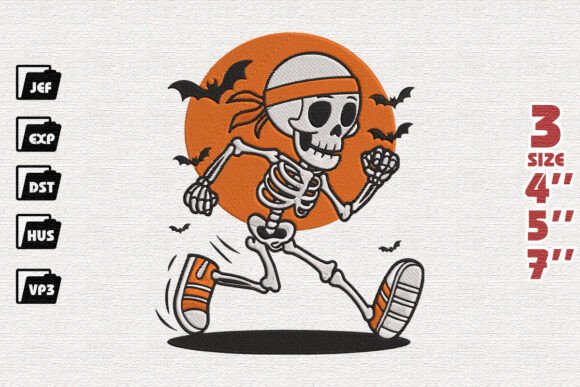
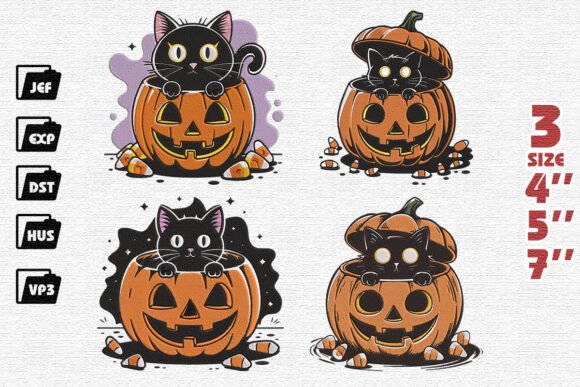
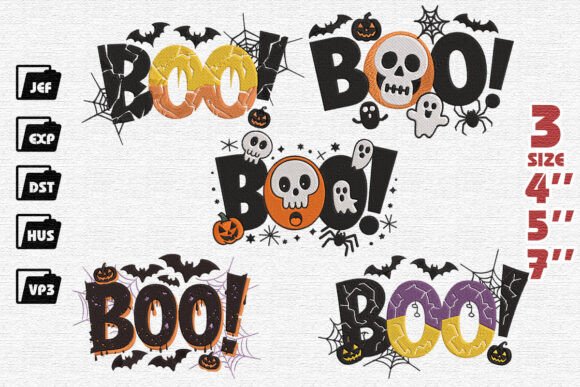
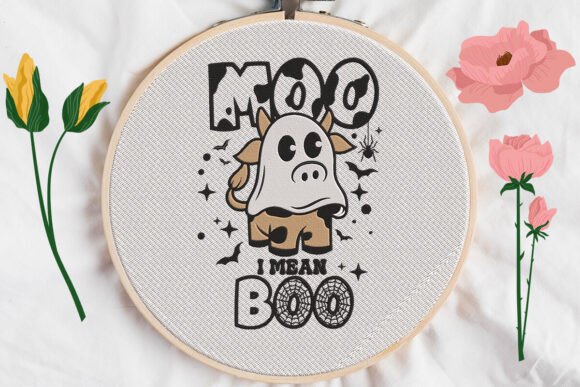
The title itself, Moo I Mean Boo, suggests a pun-based, lighthearted aesthetic. Upon reviewing the visual assets, the design leans heavily into a friendly and decorative style rather than a stark or scary Halloween theme. For small business owners, this distinction is vital. This is not a design for a haunted house attraction; it is perfect for boutique retailers, family-oriented brands, and creative studios looking to add warmth to their seasonal offerings.
The design feels handmade and approachable. In the context of brand identity, this type of imagery builds trust through relatability. It signals to customers that the brand does not take itself too seriously, fostering a sense of community and fun. For Etsy sellers and crafters, this visual personality aligns perfectly with the current demand for whimsical, non-traditional holiday decor.
Real-World Applications for Small Business Merch
When considering where to place this digital embroidery file, versatility is key. The description notes its suitability for pillowcases, towels, and wall hangings, but from a commercial perspective, we can expand this significantly.
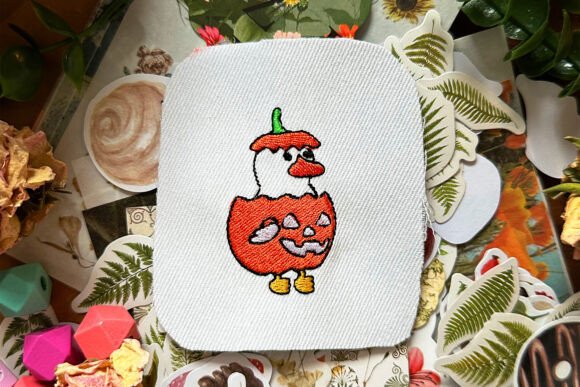
- Embroidered Patches: This is perhaps the strongest application. A well-digitized version of this design can be turned into iron-on or sew-on patches. These are low-risk inventory items for shops because they do not require sizing like apparel does.
- Apron Embroidery: For bakeries, florists, or local cafés, adding this design to staff aprons during October creates immediate seasonal engagement. It acts as a conversation starter and enhances the customer experience without compromising professionalism.
- Tote Bag Design: Canvas tote bags are a staple for handmade brands. Placing this design on the lower corner or center of a tote transforms a basic utility item into a seasonal small business merch favorite.
- Cap Embroidery: While possible, this requires careful scaling. The design works best as a side-panel accent rather than a full-front logo on a structured cap, ensuring the curvature of the hat does not distort the text or imagery.
Technical Considerations and Production Notes
Before running this design on a production machine, there are several technical factors that must be addressed to ensure a high-quality finished product. As a designer, I always advise checking the specific details of the file, such as stitch count and recommended hoop size, which should be provided by the seller.
Fabric Texture and Stabilizer Selection
The success of any embroidery file depends heavily on the substrate. For this design, which likely contains both text and graphical elements, fabric texture plays a crucial role. On plush towels or fleece, you must use a cut-away stabilizer to prevent puckering. On woven cottons for pillowcases, a tear-away may suffice, but testing is non-negotiable. If the stitch density is too high for lightweight fabrics, the material may pucker or tear. Always run a test stitch-out on scrap fabric identical to your production material.
Thread Colors and Contrast
Since this is a Halloween-themed design, many users will opt for traditional orange, black, and white threads. However, for a modern boutique look, consider muted tones like sage green, cream, and charcoal. High contrast between thread colors ensures legibility, especially if the design includes the "Moo I Mean Boo" text. If the lettering is small, avoid using variegated threads, as they can obscure the details and reduce readability.
Scaling and Hoop Size
One common mistake in commercial embroidery is scaling a design down too far. If you intend to use this on a chest pocket or a small patch, verify that the smallest elements remain intact. Detailed outlines can merge if the design is reduced beyond its intended limits. Check the included sizes in the package. If the design comes with multiple sizes, choose the one that fits your hoop without requiring manual resizing, which can alter stitch density and cause thread breaks.
Strategic Use in Branding and Marketing
Beyond the physical stitching, this design serves as a marketing asset. Using Moo I Mean Boo Embroidery on customer gifts or limited-edition items can drive social media engagement. Customers love sharing unique, seasonal finds online. A well-executed embroidered towel or wall hanging becomes a printable mockup opportunity for your digital storefront, showcasing the quality of your work.
However, use caution with placement. Avoid placing complex designs on areas subject to high friction, such as the cuffs of sleeves or the seat of pants, unless reinforced properly. For uniforms that undergo frequent industrial washing, ensure the thread quality is polyester or rayon rated for high heat and agitation. Cotton thread may fade or break, diminishing the perceived value of your custom apparel.
Final Verdict for Commercial Use
The Moo I Mean Boo Embroidery design is a strong contender for businesses looking to inject personality into their seasonal lineup. It bridges the gap between professional polish and handmade charm. To maximize its potential:
- Test in Black and White: Before committing to colorful threads, stitch the design in monochrome to check for clarity and spacing issues.
- Verify Licensing: Ensure the license terms allow for commercial use on physical goods sold to end customers. Most digital files do, but always confirm.
- Create Mockups: Use the design assets to create digital previews for your website before producing inventory. This helps gauge customer interest.
- Check Details: Since the prompt mentions multiple embroidery files, verify you have the correct format for your machine (PES, DST, JEF, etc.) to avoid conversion errors.
In conclusion, this design is more than just a festive decoration; it is a versatile tool for enhancing brand identity and driving sales through unique, tactile products. With proper technical preparation and strategic placement, it can elevate your autumn merchandise collection significantly.