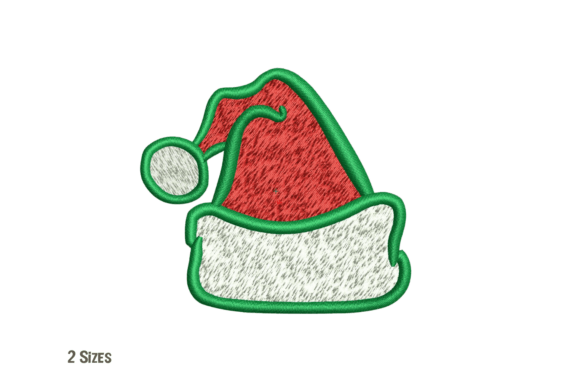
Review: Christmas Joy Embroidery Design for Merch
As an embroidery designer who has spent years digitizing files and consulting with small business owners, I approach every new machine embroidery design with a critical eye. It is not enough for a pattern to look pretty on a screen; it must perform under the needle, withstand washing, and elevate the brand it represents. Recently, I evaluated the Christmas Joy Embroidery Design to determine its viability for commercial use. This review focuses on how this asset functions within a professional workflow for branded merchandise, patches, and custom apparel.
First Impressions and Visual Personality
The initial appeal of the Christmas Joy Embroidery Design lies in its ability to balance festive warmth with professional clarity. Based on the product description, which highlights its use for holiday-themed t-shirts and pajama sets, the design appears to prioritize approachability and cheer. For a boutique or handmade brand, this visual personality is crucial. It does not scream "corporate uniform" but rather suggests a friendly, community-focused identity.
When assessing a digital embroidery file for business use, I look for versatility. Does it feel rustic, modern, or classic? This design leans toward a decorative and playful aesthetic, making it ideal for businesses that want to humanize their brand during the holiday season. However, playfulness must not compromise legibility. The key question for any decorator is whether the lines are clean enough to translate well into thread without becoming a muddy mess of overlapping stitches.
Real-World Applications for Small Business Merch
For small business owners, every square inch of fabric is potential real estate for marketing. Here is how the Christmas Joy Embroidery Design performs across various commercial applications:
- Embroidered Patches: This is perhaps the strongest use case. A patch allows for inventory flexibility. You can produce a batch of patches featuring the design and apply them to different garments as needed. Ensure the stitch density is appropriate for the patch backing to prevent puckering.
- Staff Uniforms and Aprons: Cafés, bakeries, and florists often update their staff attire for the holidays. Using this design on an apron embroidery project adds a subtle touch of seasonal spirit without overwhelming the customer. It serves as a conversation starter and enhances the in-store experience.
- Cap Embroidery: Placing the design on the front or side of a cap requires careful consideration of curvature. If the design includes fine details, they may get lost on the curved surface of a baseball cap. It works best as a chest logo accent or a sleeve detail on work shirts where the fabric lies flat.
- Tote Bag Design: Retailers love offering branded totes. The tote bag design market is competitive, and a high-quality holiday motif can drive impulse buys. The canvas texture of most totes handles embroidery well, provided the stabilizer is robust.
- Customer Gifts and Packaging: Beyond apparel, consider using the design on fabric tags or small textile inserts included in product packaging. This elevates the unboxing experience and reinforces brand identity.
Technical Considerations and Potential Pitfalls
While the concept is strong, technical execution determines the quality of the finished product. There are specific scenarios where you should use the Christmas Joy Embroidery Design with caution:
- Small Patch Sizes: If you intend to shrink the design for a small label or tiny patch, inspect the spacing between elements. Tight spaces can lead to thread breaks or bird-nesting. Always check if the design maintains its integrity at reduced scales.
- Dark Uniforms: Holiday designs often rely on bright, cheerful colors. On dark navy or black uniforms, ensure there is sufficient contrast. You may need to add an underlay or adjust the thread colors to ensure the design pops rather than disappears into the fabric.
- Textured Fabric: Embroidering on thick towels or fuzzy fleece can obscure fine details. The fabric texture must complement the stitch type. If the design has intricate outlines, test it on a similar material before committing to a full production run.
- Frequent Washing: Items like pajama sets and aprons undergo rigorous washing cycles. High stitch density can make fabric stiff and uncomfortable. Verify that the digitization balances coverage with flexibility to maintain comfort and durability.
Impact on Brand Identity and Customer Trust
Consistency is the cornerstone of brand identity. When customers see a well-executed embroidered logo or motif, it signals professionalism and attention to detail. The Christmas Joy Embroidery Design, when applied correctly, enhances perceived value. It transforms a generic item into a handmade product or a premium custom piece.
For Etsy sellers and craft creators, this design can serve as a key design asset in your portfolio. It demonstrates your capability to handle seasonal trends while maintaining quality. A sloppy embroidery job can damage trust, but a crisp, clean application builds recognition. Customers associate the quality of the stitch with the quality of your service or product.
Practical Designer Notes for Production
Before you load this embroidery file into your machine for a client order, follow these professional steps to ensure success:
- Test in Black and White First: Remove color from your simulation software to check for contrast issues. If the design relies solely on color to define shapes, it may fail when stitched in monochrome or low-contrast threads.
- Confirm Hoop Size: The product description does not specify exact dimensions. Measure the design against your available hoops. Do not attempt to stretch a design beyond its intended hoop size limits, as this distorts the proportions.
- Use Proper Stabilizer: Match the stabilizer to the fabric weight. Cut-away stabilizers are generally better for garments that will be washed frequently, while tear-away may suffice for stable fabrics like tote bags.
- Create a Printable Mockup: Before stitching, generate a printable mockup to show clients. This helps manage expectations and allows for approval on placement and size.
- Check Commercial Licensing: Always verify the license terms associated with the digital embroidery file. Ensure you have the rights to use the design for commercial embroidery projects and sold goods, not just personal use.
- Inspect Stitch Density: Look at the stitch count relative to the area. If it seems too dense for lightweight fabric, consider adding a top sheet stabilizer to prevent perforation.
In conclusion, the Christmas Joy Embroidery Design offers significant potential for small business merchandising. It bridges the gap between festive fun and professional presentation. By respecting the technical limitations of embroidery and focusing on strategic placement, you can leverage this design to create memorable, high-value items for your customers. Always prioritize testing and quality control to ensure that every stitch reflects the excellence of your brand.