Reviewing the Dog Applique Embroidery for Real Projects
As a designer who spends more time staring at stitch maps than actual fabric, I have learned that not every machine embroidery design is created equal. Some look fantastic on a screen but turn into a tangled mess of thread breaks and puckering on the hoop. Today, I am putting the Dog Applique Embroidery under the microscope. This is not just about whether it is cute—though it certainly is—but whether it holds up in the rigorous environment of a working craft business or a high-stakes personalized gift project.
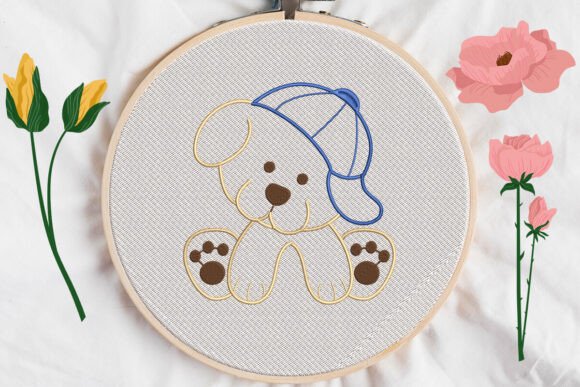
The first impression of this applique design is one of approachable charm. It fits squarely into the Baby Animals category, which immediately suggests a soft, playful aesthetic. The layout relies on clean shapes rather than excessive internal detailing, which is often a hallmark of successful applique work. When I visualize this on a product, I do not see a stiff, over-digitized patch. Instead, I see a design that breathes, allowing the fabric texture to play a significant role in the final appearance. For anyone running a small shop or selling on Etsy, this visual personality is crucial because it translates well across various mediums without losing its core identity.
Real-World Application: The Custom Tote Test
To truly evaluate an embroidery file, you must imagine it in a specific context. Let us say I am preparing a custom order for a local boutique: a set of canvas tote bags intended for dog walkers. The client wants something durable, visible, and undeniably adorable. Here is where Dog Applique Embroidery shines. Because applique involves layering fabric pieces, the design gains a tactile depth that flat stitching cannot achieve. On a heavy cotton canvas, the fabric layers of the dog’s body would sit proudly above the surface, creating a premium feel that justifies a higher price point for the handmade product.
However, the success of this project hinges on execution. The design’s simplicity means that the choice of thread colors and fabric contrast becomes paramount. If I use a beige dog shape on a cream tote, the definition will vanish. But pair a rich chocolate brown fabric with a crisp white background, and the silhouette pops. This is where the designer’s eye matters more than the machine’s speed. The Dog Applique Embroidery serves as a perfect base for such experimentation, offering a clear boundary for the satin stitch edges that frame the fabric pieces.
Versatility Across Product Lines
Beyond totes, this design demonstrates remarkable flexibility. For sweatshirt embroidery, the applique method is superior to dense fill stitches because it adds less weight and stiffness to the garment. A bulky sweatshirt does not need more bulk; it needs character. This design provides that character without compromising comfort. Similarly, for baby embroidery projects like onesies or bibs, the soft edges of applique are gentler against sensitive skin compared to thick, raised satin columns.
I also see strong potential for this design in home decor, specifically pillow covers and kitchen towels. In these applications, the stitch density of the border stitches must be balanced. If the satin stitch is too wide, it may curl over time after washing. If it is too narrow, it may not secure the fabric edge adequately. From my review of the visual structure, the proportions seem standard, but I would always recommend running a test stitch-out on scrap fabric that matches your final material. This is non-negotiable for professional commercial embroidery work.
Navigating Technical Challenges
While the design is robust, there are scenarios where caution is required. Applying this to curved surfaces, such as caps or hats, demands precision. The fabric layers in an applique can shift if not properly stabilized. Using a cut-away stabilizer is essential here to prevent distortion during wear and washing. Additionally, if you are working with stretchy fabrics like jersey knits for t-shirts, the tension settings on your machine must be dialed in perfectly. The Dog Applique Embroidery relies on the integrity of its outline; if the fabric stretches out of shape during stitching, the clean lines will warp, ruining the finished product.
Another consideration is size. While the design is scalable, shrinking it too much for tiny items like keychains or small patches can lead to loss of detail. The satin stitch borders need enough width to be visible and durable. Conversely, blowing it up too large for a blanket might expose any minor inconsistencies in the digitizing. Always check the recommended hoop size and scale limits provided with the digital embroidery file. If these details are not explicitly stated in the product description, contact the seller or test incrementally.
Enhancing Brand Value and Customer Trust
For Etsy sellers and creative entrepreneurs, the quality of your design assets directly impacts buyer engagement. A crisp, well-executed applique signals professionalism. It tells the customer that care went into the creation. When you use Dog Applique Embroidery in your portfolio, ensure your photography highlights the texture. Close-up shots that show the neatness of the tack-down stitches and the smoothness of the satin border build trust. Customers buying personalized gifts are looking for longevity and quality, not just a quick novelty.
This design also works well for seasonal variations. By changing the fabric colors, you can adapt the same embroidery project for different holidays. A red and green fabric combination turns it into festive holiday embroidery, while pastels make it perfect for spring collections. This versatility allows you to maximize the return on your design assets without constantly purchasing new files. It is a smart strategy for maintaining a fresh small shop product lineup with minimal overhead.
Final Designer Notes
Before committing to a large production run, take these practical steps. First, verify the license terms. Ensure the digital embroidery file allows for commercial use if you plan to sell the physical items. Second, test the design on both light and dark fabrics to assess visibility. Third, inspect the stitch path in your software if possible, looking for unnecessary jumps or dense clusters that could cause thread breaks. Finally, consider the end-user. Will this design withstand frequent washing? Applique is generally durable, but the edges must be secure.
In conclusion, Dog Applique Embroidery is a solid contender for designers looking for reliable, charming motifs. It bridges the gap between playful aesthetics and technical feasibility. Whether you are creating custom apparel, decorating home goods, or building a brand around Baby Animals and pets, this design offers a versatile foundation. Treat it with the respect it deserves through proper stabilization and testing, and it will serve your business well. Happy stitching.