Review: Black History Format Embroidery Design
As a designer who spends more time staring at stitch maps than actual fabric, I have learned to be skeptical of digital assets that promise emotional impact without delivering technical precision. When I first loaded the Black History Format Embroidery Design into my software, I was not just looking for a pretty picture. I was looking for a viable machine embroidery design that could withstand the rigors of commercial production while honoring its subject matter with dignity. This file is categorized as Inspirational, and in the world of Embroidery, that is a difficult balance to strike. It needs to be legible, durable, and visually striking without becoming a dense block of thread that ruins the drape of a garment.
First Impressions and Visual Impact
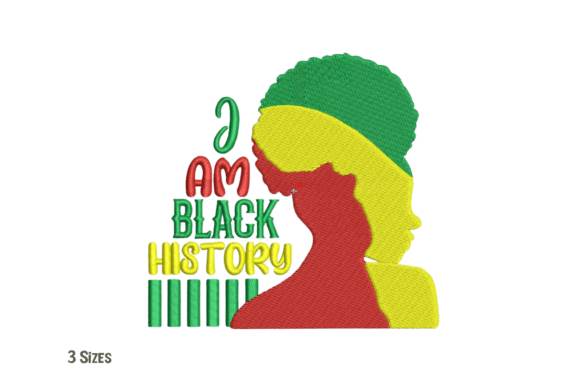
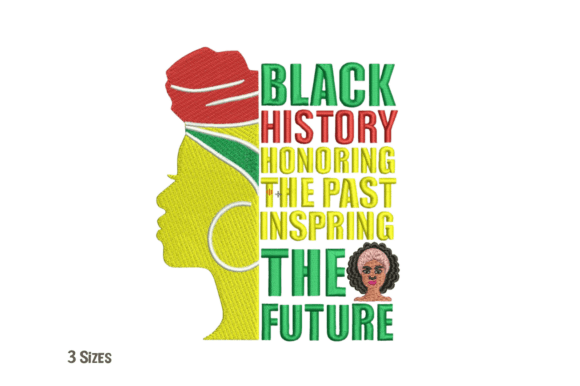
The immediate appeal of this design lies in its simplicity. The description highlights a striking silhouette profile paired with the message "Honoring the Past, Inspiring the Future." In design terms, silhouettes are high-risk, high-reward. If the edges are jagged or the fill is inconsistent, the profile looks amateurish. However, this embroidery file appears to prioritize clean lines. The contrast between the solid shape and the accompanying text creates a natural focal point. It does not rely on excessive shading or complex gradients, which makes it versatile for various thread colors. Whether you choose traditional golds and greens or modern monochromes, the shape holds its integrity.
I appreciate that the layout feels balanced. Often, designs with text suffer from poor spacing, where the letters crowd the graphic element. Here, the composition breathes. This suggests that the digitizer understood the importance of negative space, a critical factor in maintaining the professional look of a finished product.
Real-World Application: The Tote Bag Test
To truly evaluate a design, you must imagine it on a physical item. I recently worked on a batch of custom canvas tote bags for a local community center. This type of project requires a design that is bold enough to be seen from a distance but refined enough to feel premium. The Black History Format Embroidery Design fits this brief perfectly. Canvas is a sturdy fabric that can handle higher stitch density, allowing the silhouette to pop without sinking into the weave.
For an Etsy seller or small shop owner, this versatility is key. You are not limited to one product type. This design translates well to a heavy cotton sweatshirt, where the texture of the fill stitch adds warmth and depth. It also works on structured items like caps, provided you adjust your stabilizer strategy. The clear lines of the silhouette ensure that the message remains readable even when stitched on curved surfaces, a common challenge in custom apparel.
Considerations for Delicate Fabrics
While the design shines on sturdy materials, caution is required when applying it to lighter fabrics. If you plan to use this on a baby onesie or a thin linen tea towel, you must pay close attention to the backing. A heavy stabilizer is non-negotiable here. Without proper support, the tension from the satin or fill stitches could pucker the fabric, distorting the silhouette. I recommend testing on scrap fabric first. Check how the running stitch underlay interacts with your specific material. If the fabric is stretchy, consider using a cut-away stabilizer to prevent long-term distortion after washing.
Technical Performance and Stitch Quality
From a technical standpoint, the viability of any digital embroidery file depends on its construction. While I cannot verify the exact stitch count without opening the specific format, the visual preview suggests a thoughtful approach to density. Overly dense designs can cause needle breaks and thread fraying, especially in detailed corners. This design seems to avoid those pitfalls by keeping the silhouette solid but not overly packed.
For those interested in commercial embroidery, consistency is everything. You need to know that the hundredth shirt will look identical to the first. The clean edges of this profile suggest that it will reproduce reliably across multiple runs. However, always check the small details. Zoom in on the text "Honoring the Past, Inspiring the Future." Ensure that the lettering is large enough to remain legible at smaller hoop sizes. If you are scaling the design down for a pocket logo or an embroidered patch, verify that the text does not become a blurry mess. Legibility is crucial for maintaining the professional integrity of your brand.
Strategic Use for Craft Businesses
For craft business owners, this design offers significant value beyond aesthetics. It taps into a meaningful cultural narrative, which can drive engagement and sales. But it must be presented correctly. Use this design to create cohesive design assets for your shop. Pair it with complementary colors in your mockups. A printable mockup showing the design on a high-quality hoodie can help customers visualize the final product, increasing conversion rates.
Consider the context of the sale. Is this for a holiday gift? A personal milestone? A statement piece? The Inspirational nature of the design makes it suitable for a wide range of occasions. It works well for heritage month celebrations, educational institutions, or family reunions. By positioning the Black History Format Embroidery Design as a premium, thoughtfully crafted item, you elevate it from a simple commodity to a meaningful keepsake.
Practical Designer Notes
- Test Before Production: Always stitch out a sample on your actual production fabric. Thread tension varies between machines.
- Color Contrast: Ensure your thread color contrasts sufficiently with the fabric. A dark silhouette on a dark shirt will vanish.
- Hoop Size Verification: Confirm that the design fits within your available hoop sizes without excessive resizing, which can distort proportions.
- Licensing Check: Before selling finished items or using this in commercial projects, review the license terms provided with the multi-format file. Ensure you have the rights for commercial use.
- Stabilizer Selection: Match your stabilizer to the fabric weight. Tear-away for stable woven fabrics, cut-away for knits and stretchy materials.
Final Verdict
The Black History Format Embroidery Design is a strong contender for designers seeking a meaningful, visually clean asset. It respects the subject matter through dignified simplicity rather than cluttered complexity. For the small shop product line, it offers flexibility across various garments and home goods. Just remember that the quality of the final output depends heavily on your execution—proper stabilization, thread choice, and machine maintenance are just as important as the design itself. When used with care, this embroidery project can become a standout piece in your portfolio, appealing to customers who value both craftsmanship and cultural resonance.