Review: I Am Black History Silhouette Embroidery
As an embroidery designer who spends weekends behind a bustling craft fair booth, I have learned that not every design translates from screen to stitch with equal impact. When I first loaded the I Am Black History Silhouette Embroidery file into my digitizing software, I was looking for more than just aesthetic appeal. I was evaluating its potential as a high-converting craft fair product. This is not merely a decorative element; it is a statement piece. For sellers targeting the Inspirational niche, understanding how this design performs in the real world is crucial for maximizing sales and minimizing production headaches.
First Impressions and Visual Impact
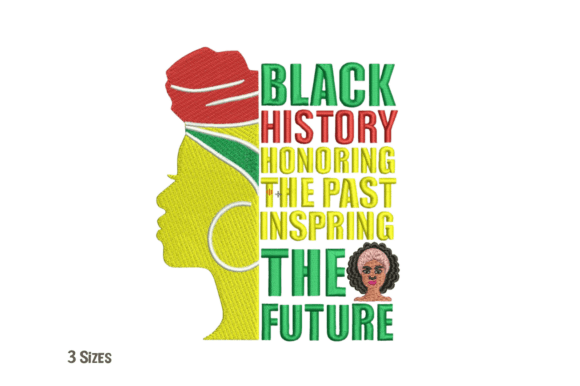
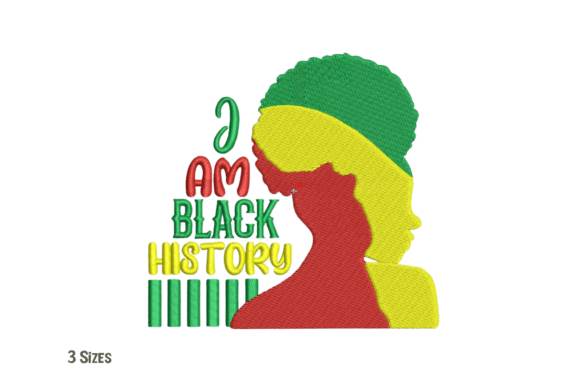
The immediate impression of the I Am Black History Silhouette Embroidery is one of bold confidence. The combination of vibrant red, yellow, and green thread colors against a stark silhouette creates a visual pop that is impossible to ignore from three feet away. In a crowded marketplace, subtlety often gets lost. This design does not whisper; it declares. It feels modern, powerful, and culturally significant, avoiding the trap of being overly rustic or excessively cute. For a handmade product line, this level of clarity is essential. It signals premium quality and intentional design, which helps justify a higher price point to discerning buyers.
The typography paired with the silhouette is robust. As an Etsy seller or boutique maker, you know that legibility is key. If a customer cannot read the message instantly, they will keep walking. This design succeeds because the lettering is thick enough to hold its shape during stitching, ensuring that the message remains clear even after multiple washes. It strikes a balance between artistic flair and readable communication, making it ideal for customers seeking meaningful gifts.
Versatility Across Product Lines
One of the strongest assets of this machine embroidery design is its adaptability. I tested the concept across several common small shop product categories to see where it shines brightest.
- Tote Bags: This is arguably the best application. A canvas tote provides a large, flat surface that allows the full vibrancy of the red, yellow, and green threads to stand out. It transforms a simple bag into a wearable statement.
- Aprons: For kitchenware, this design adds a layer of personality. However, placement is critical. Centered on the bib, it becomes a focal point without interfering with functionality.
- Tea Towels: While popular, textured towels can be tricky. The bold nature of this design helps it survive the texture, but you must ensure your stabilizer is robust enough to prevent puckering on loose-weave fabrics.
- Embroidered Patches: Creating iron-on patches allows customers to customize their own jackets or bags. This design scales well for patches, provided you maintain sufficient density to keep the edges crisp.
- Caps: Curved surfaces are challenging. The silhouette works here, but the text must be checked for distortion. If the lettering is too wide, it may wrap awkwardly around the front panel.
For commercial embroidery businesses, this versatility means you can create a cohesive collection. Imagine a display featuring matching tote bags, pillow covers, and pouches. This consistency builds brand recognition and encourages bundle purchases.
Production Practicalities and Technical Notes
Before committing to a large batch of finished products, there are technical considerations every creative entrepreneur must address. Since this is a digital embroidery file, you likely have access to multiple formats. However, always verify the specific details provided in the download package regarding hoop size and stitch count.
Stitch density is a major factor. Bold silhouettes and thick typography often require higher density to look solid. On thin fabrics, this can cause pulling or tearing. Always use a cut-away stabilizer for stretchy materials like t-shirts or jersey tote bags. For woven fabrics like canvas or denim, a tear-away might suffice, but test thoroughly. The red and green threads are dark and rich, which looks stunning on light fabrics but may disappear on black or navy backgrounds. If you plan to offer dark-colored items, consider adding a white underlay or choosing a lighter variant of the design if available.
Another critical note is the small details within the silhouette. If the design includes intricate inner lines, they may merge during stitching if the needle size is too large or the tension is off. Run a test stitch on scrap fabric identical to your final product material. Check the thread contrast carefully. The yellow thread needs to be bright enough to stand out against the red and green, otherwise, the cultural color palette loses its intended vibrancy.
Marketing and Booth Display Strategy
When setting up your booth, the I Am Black History Silhouette Embroidery should be front and center. Its bold colors draw the eye, making it an excellent anchor for your display. Use it on your largest items, such as wall hangings or large tote bags, to create visual height and interest. For online listings, this design photographs beautifully. The high contrast ensures that thumbnails remain clear even on small mobile screens. Create a printable mockup or take high-resolution photos of the actual stitched item to show the texture and sheen of the threads. Buyers want to see the quality of the design assets in real life.
Engagement increases when customers understand the story behind the product. Use signage that explains the significance of the colors and the message. This transforms the item from a simple accessory into a meaningful conversation starter. For finished product sales, emphasize the durability and the care taken in production. Mention that each piece is stitched with precision, highlighting the handmade quality that mass-produced items lack.
Final Designer Verdict
The I Am Black History Silhouette Embroidery is a strong contender for any handmade market vendor’s portfolio. It offers a perfect blend of cultural pride, modern aesthetics, and commercial viability. It is easy to understand at a glance, works well on various textiles, and commands attention in both physical and digital storefronts. However, success depends on execution. Pay close attention to fabric choice, stabilizer selection, and thread quality. Do not assume the default settings will work for every material. Test, adjust, and refine.
Remember to check the licensing terms included with your embroidery file. Ensure you have the rights for commercial embroidery if you plan to sell the finished goods. With proper preparation, this design can become a staple in your shop, driving sales and sparking important conversations. It is more than just a pattern; it is a tool for expression and entrepreneurship. Treat it with the respect it deserves, and it will reward your business with loyal customers and standout products.