Crab Embroidery Design: A Pro Review for Small Business Merch
As an embroidery designer who has spent years digitizing files and consulting with small business owners, I approach every new machine embroidery design with a critical eye. It is not just about whether the image looks cute on a screen; it is about how that design translates to fabric, withstands washing, and elevates a brand’s identity. Recently, I reviewed the Crab Embroidery Design, a charming piece categorized under Fish and intended for various creative projects. For boutique owners, Etsy sellers, and apparel decorators, this review breaks down how this digital asset performs in real-world commercial applications.
First Impressions: Visual Personality and Brand Fit
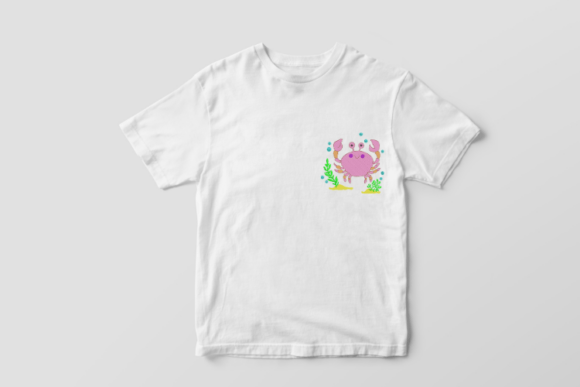
The immediate impression of the Crab Embroidery Design is one of playful sophistication. It captures the spirit of the seaside without relying on clichéd or overly complex nautical tropes. For brands looking to project a friendly, approachable, and relaxed vibe, this design hits the mark. It feels handmade yet professional, striking a balance that is often difficult to achieve in digitized art. The lines appear clean, suggesting that the underlying stitch path was planned with care to avoid unnecessary jumps or bulk.
This visual personality makes it an excellent candidate for businesses in the hospitality, retail, and lifestyle sectors. Imagine a coastal café, a beachside boutique, or a family-oriented pet brand. The design does not scream for attention but rather invites engagement. It adds a touch of ocean fun that aligns perfectly with summer collections, vacation-themed merchandise, or year-round branding for businesses located near the water. When evaluating design assets for your shop, consider if this playful tone matches your existing logo and color palette.
Real-World Applications for Small Business Merch
The true test of any digital embroidery file is its versatility. Based on the description, this crab is ready to adorn beach bags, towels, and children’s clothing. However, from a commercial perspective, its potential extends much further. Here is how I envision this design working across different product lines:
- Embroidered Patches: This is perhaps the strongest use case. A well-digitized crab makes for a fantastic iron-on or sew-on patch. Patches are low-risk inventory for small businesses because they can be applied to various items later. They serve as excellent add-ons at checkout counters or as branded gifts for loyal customers.
- Custom Apparel and Uniforms: For staff at a seaside restaurant or a surf shop, placing this design on the chest pocket of a work shirt or polo creates a cohesive team look. It is small enough to be subtle but distinct enough to be recognized as part of the brand identity.
- Cap Embroidery: Caps are high-margin items for merch creators. The compact nature of a crab illustration fits well on the front panel of a baseball cap or the side of a bucket hat. It adds value to a plain hat, turning it into a branded fashion statement.
- Tote Bag Design: Canvas totes are staples for eco-conscious brands. Embroidering this crab onto a tote bag elevates it from a simple carrier to a stylish accessory. The texture of the embroidery against the canvas fabric creates a premium tactile experience that printed designs cannot match.
- Apron Embroidery: For bakeries, florists, or craft studios, branded aprons are both functional and promotional. This design adds a whimsical touch to staff uniforms, making employees feel part of a fun, creative community.
Technical Considerations and Production Notes
While the aesthetic appeal is strong, successful production requires attention to technical details. Before running a full batch of commercial embroidery, there are several factors you must evaluate to ensure a high-quality finished product.
First, consider the stitch density. If the design is too dense, it can cause puckering, especially on lighter fabrics like children’s clothing or thin towels. Conversely, if it is too sparse, the backing material might show through. I recommend testing the design on a scrap piece of the exact fabric you intend to use. Pay close attention to the thread colors chosen. High contrast is key for visibility, but ensure the colors align with your brand guidelines. A vibrant red crab might pop on a navy blue cap, but a pastel version might be better suited for a baby onesie.
Another critical factor is the hoop size. You must confirm that the design fits within your machine’s hoop capabilities without requiring excessive re-hooping, which can lead to misalignment. Additionally, always use the appropriate stabilizer. For stretchy fabrics like jersey knits used in t-shirts, a cut-away stabilizer is often necessary to prevent distortion after washing. For woven fabrics like canvas totes, a tear-away might suffice, but testing is essential.
Be cautious when applying this design to curved surfaces or textured fabrics. The intricate details of the crab’s claws or eyes might get lost if the fabric texture is too rough, such as heavy terry cloth towels. In such cases, simplifying the design or increasing the stitch thickness might be necessary. Also, avoid placing tiny details near the edges of the design where they might fray or unravel over time, particularly on items that will undergo frequent washing.
Enhancing Brand Identity and Customer Trust
Using a unique embroidery file like this crab design does more than decorate a product; it builds trust. Customers associate embroidered logos and motifs with higher quality and durability compared to printed graphics. When a customer sees a neatly stitched crab on a tote bag or a patch on a jacket, they perceive the item as a handmade product crafted with care. This perception increases the perceived value of the item, allowing small businesses to command higher price points.
Consistency is also vital. If you use this crab design across multiple touchpoints—such as on employee uniforms, packaging tags, and social media printable mockup images—it reinforces brand recognition. It becomes a visual shorthand for your business’s values: playful, quality-focused, and connected to the seaside lifestyle. For Etsy sellers and crafters, offering items with this exclusive design can differentiate your shop from competitors who rely on generic, mass-produced graphics.
Final Recommendations for Buyers
Before purchasing and producing, always verify the specific technical specifications of the Crab Embroidery Design. Check the available file formats to ensure compatibility with your embroidery software. Confirm the commercial licensing terms to ensure you have the right to use the design for selling physical goods. Create a printable mockup or a physical sample to show clients or stakeholders for approval before committing to large production runs.
In summary, the Crab Embroidery Design is a versatile and charming asset for small business merchandise. Whether used for custom apparel, branded patches, or home decor, it offers a professional finish that enhances brand identity. By paying attention to stitch density, fabric choice, and placement, you can transform this digital file into a tangible asset that drives customer engagement and sales. Embrace the playful spirit of the seaside, but anchor your production in professional best practices to ensure every stitch counts.