Dolphin Embroidery Design Review for Business Merch
As an embroidery designer who has spent years refining digital files for commercial production, I approach every new machine embroidery design with a critical eye. It is not just about whether the image looks cute on a screen; it is about how that design translates into thread, how it holds up on fabric, and ultimately, how it serves the brand identity of the small business owner purchasing it. Recently, I reviewed the Dolphin Embroidery Design, a file categorized under Fish within the broader Embroidery niche. My goal was to determine if this asset is viable for high-quality branded merchandise, from boutique patches to staff uniforms.
First Impressions: Visual Personality and Market Fit
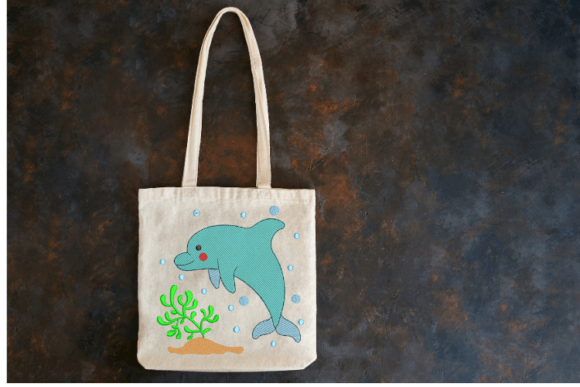
The immediate impression of the Dolphin Embroidery Design is one of approachable charm. The description promises to "bring the magic of the ocean" to projects, featuring a playful dolphin suited for beach-themed decor and children’s accessories. From a branding perspective, this signals a specific aesthetic: friendly, organic, and lively. It does not scream corporate rigidity; instead, it offers a handmade warmth that resonates with consumers looking for authenticity.
For small business owners, particularly those in the hospitality or retail sectors, this visual personality is a powerful tool. A local café near the coast, a boutique selling summer apparel, or a creative studio focusing on eco-friendly goods can leverage this design to create an emotional connection with their customers. The design feels decorative yet structured enough to serve as a recognizable logo accent when applied correctly.
Real-World Applications for Small Business Merch
When evaluating a digital embroidery file for commercial use, I always map out potential applications. The versatility of this dolphin motif allows it to function across various product lines. Here is how I envision this design performing in a real business scenario:
- Embroidered Patches: This is perhaps the strongest use case. A well-digitized dolphin can be turned into a merrowed-edge patch for tote bags or backpacks. It adds tangible value to a handmade product and serves as a mobile advertisement for the brand.
- Staff Uniforms and Aprons: For beachside restaurants or ice cream shops, placing this design on the chest pocket of an apron embroidery project creates a cohesive team look. It is subtle enough to remain professional but distinct enough to reinforce the theme.
- Cap Embroidery: A simplified version of this design could work beautifully on the front panel of a baseball cap. However, curvature is a challenge, so the design must be tested to ensure the dolphin’s shape does not distort on the curved surface.
- Tote Bag Design: Canvas bags are a staple for retail giveaways. A central placement of the dolphin creates a striking tote bag design that customers will actually use, extending brand visibility beyond the store.
These applications transform the design from a simple graphic into a core component of small business merch. Whether used for customer gifts, event merch, or Etsy branding, the key is consistency. Using the same design assets across different touchpoints builds recognition and trust.
Technical Considerations and Production Challenges
While the aesthetic appeal is clear, the technical execution determines the quality of the finished product. As a designer, I advise caution in several areas before running a full production batch. The playful nature of the dolphin implies curves and potentially fine details. These elements can be tricky depending on the stitch density and the chosen thread colors.
One major concern is scale. If you intend to use this as a tiny label on a clothing tag or a small chest logo, you must verify that the details do not merge together. High stitch density on small areas can cause puckering, especially on lightweight fabrics. Conversely, low density might leave gaps in the coverage, making the design look sparse. I recommend testing the design on the actual fabric you plan to use. Fabric texture plays a huge role; a smooth cotton polo will render the design differently than a textured canvas tote or a fuzzy fleece jacket.
Additionally, consider the color contrast. If your brand uses dark uniforms, ensure the thread colors pop. A navy blue dolphin on a black shirt will vanish. Always create a printable mockup or a physical sample to check visibility. Furthermore, confirm the hoop size requirements. If the design is large, you may need a multi-hoop setup or a larger machine frame, which impacts production time and cost.
Enhancing Brand Identity and Customer Trust
Why does the choice of embroidery matter for brand identity? Because embroidery conveys permanence and quality. Unlike printed ink, which can crack or fade, embroidered threads have texture and depth. When a customer receives a item with a well-executed custom apparel piece, they perceive higher value. The Dolphin Embroidery Design, when stitched cleanly, elevates a basic t-shirt or bag into a premium item.
This perception directly influences buyer engagement. In the world of online sales, such as for Etsy sellers or craft businesses, photos of embroidered details often convert better than flat prints. The tactile nature of the embroidered patch or logo suggests care and craftsmanship. It tells the customer that the business invests in quality materials and processes. This builds trust, which is essential for repeat business and word-of-mouth referrals.
Practical Designer Notes for Implementation
Before you purchase and produce, follow these steps to ensure success with the Dolphin Embroidery Design:
- Test in Black and White: Remove color from your view to check the structural integrity of the design. If it looks messy in monochrome, it will look messy in color.
- Check Small Patch Size: Scale the design down to its smallest intended use. Ensure the outline remains clear and the internal details do not collapse.
- Review Thread Color Contrast: Select thread colors that align with your brand palette but also provide sufficient contrast against the base fabric.
- Inspect Spacing and Density: Look at the stitch pattern. Are there too many jumps? Is the density appropriate for the fabric weight?
- Confirm Hoop Size: Ensure your equipment can accommodate the design dimensions without excessive re-hooping.
- Use Proper Stabilizer: Match the stabilizer to the fabric. Cut-away for stretchy knits, tear-away for stable wovens. This prevents distortion during washing.
- Create a Mockup: Generate a visual proof for client approval or internal review before stitching the final run.
- Verify Commercial Licensing: This is crucial. Check the license terms associated with the digital embroidery file. Ensure you have the rights to use it for commercial embroidery and sold goods. Do not assume; read the fine print.
In conclusion, the Dolphin Embroidery Design offers a charming and versatile option for businesses looking to add a touch of oceanic flair to their merchandise. By paying attention to technical details like stitch density, fabric choice, and licensing, you can transform this digital asset into a powerful tool for brand building. Whether it adorns a barista’s apron or a customer’s favorite tote, quality embroidery speaks volumes about your commitment to excellence.